
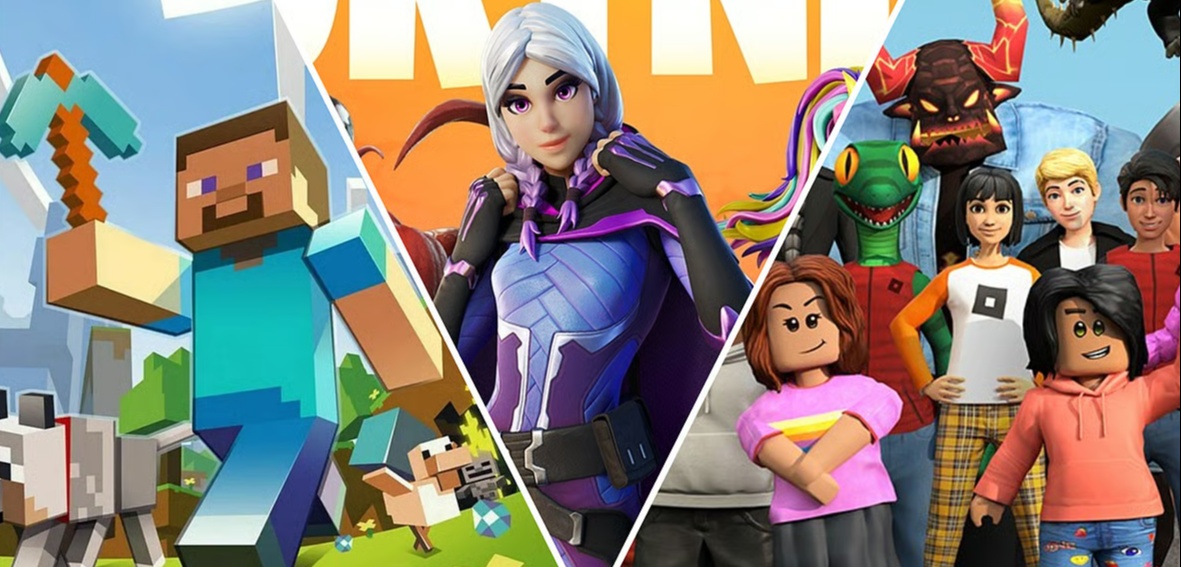
In recent days, the Federal Court of the Northern District of California has received successive lawsuits against head-playing platforms, accusing Roblox, Epic of “The Night of Fortress” and Microsoft “My World” of having adopted “addiction design” that has resulted in serious play addiction to plaintiffs since childhood. Such cases respond to addictive litigation against social platforms such as Meta, Google and others, which may have far-reaching implications for the way the whole digital entertainment industry is regulated.
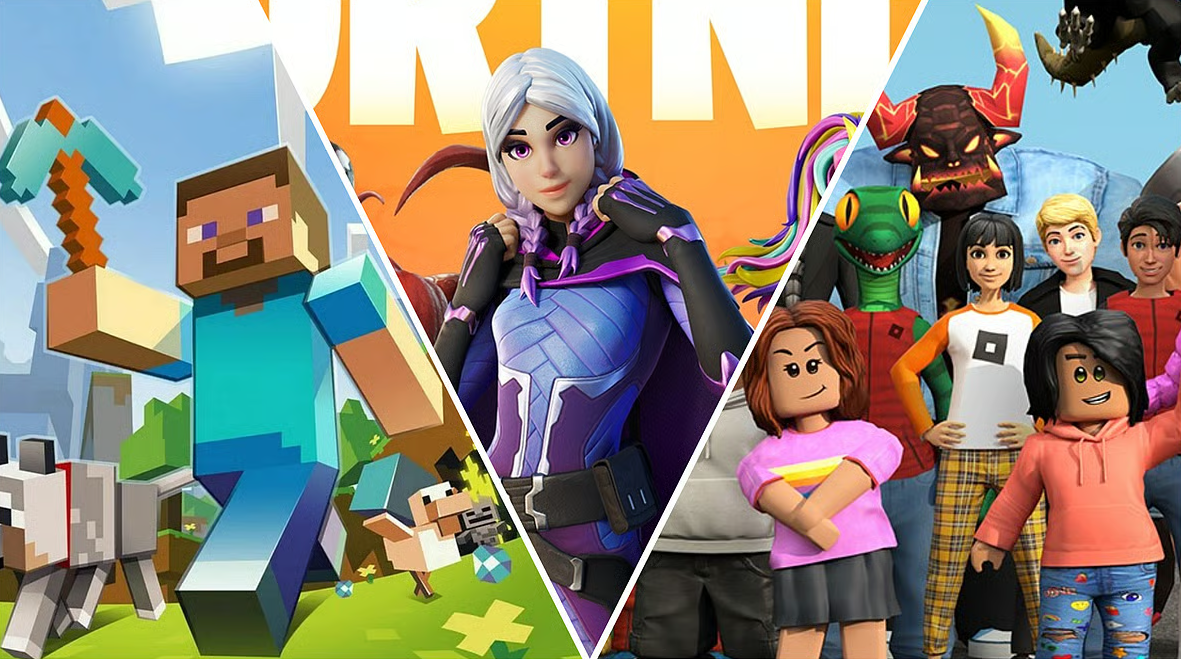
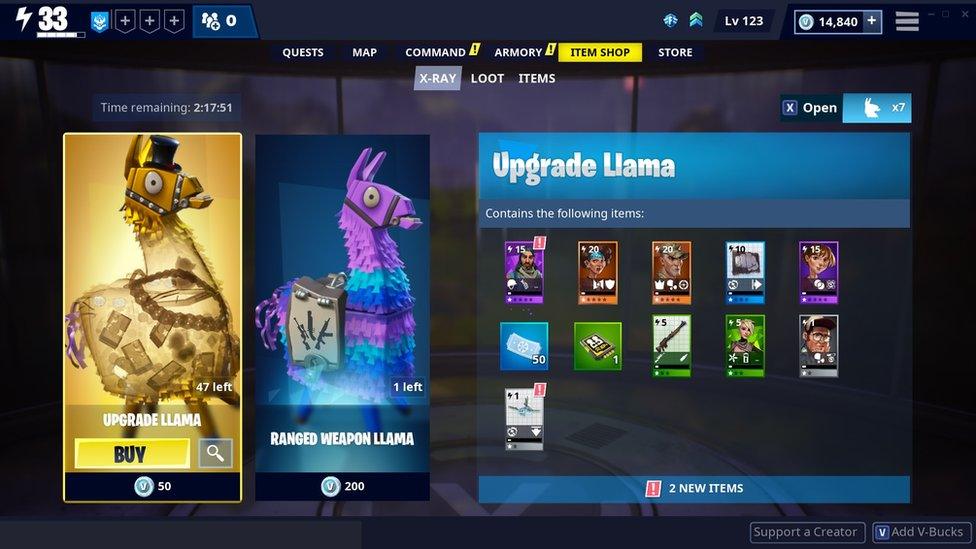
The plaintiff, Jordan Duncan (18 years old), claimed in his petition that he had begun contact with Roblox and My World at the age of 9 and had started playing Fortress Night at the age of 11. Since then, he has played video games “at an increasingly coercive and addictive rate”, which now last 12 to 14 hours a day and “uncontrollable” his behaviour. The plaintiff stated that if the game was not played, there would be a serious cessation response, including anger, self-harm or injury, self-harm threats, destruction of property, denial of hygiene or sleep. The above behaviour is highly consistent with the behaviour of the clinical game barrier. At the same time, he was diagnosed with antagonistic disorders, depression and hyperactivity disorders, which the plaintiff ‘ s counsel considers to make him more vulnerable to addiction. Another 18-year-old plaintiff (name unpublished) filed an action in the same court alleging that Roblox, Epic and Microsoft had adopted a tool-responding mechanism, i.e., the stimulation of dopamine through unpredictable incentives (trophys, points, achievements), similar to the operation of a tiger machine. The complaint states that the design “enables the vulnerability of children and increases their participation” and results in long-term psychological harm, social retrenchment, school decline and sleep disorders. In both cases, it was pointed out that while these games were free of charge (incorporated in micro-trading), their mechanisms, such as combat permits, open boxes, random rewards, were highly similar to sports games applications and the psychological manipulation of tiger machines. The plaintiff emphasized that “the action was not a declaration of war on entertainment”, but that the gaming company was held responsible for its activities in promoting addictive functions to minors and inducing internal purchases.
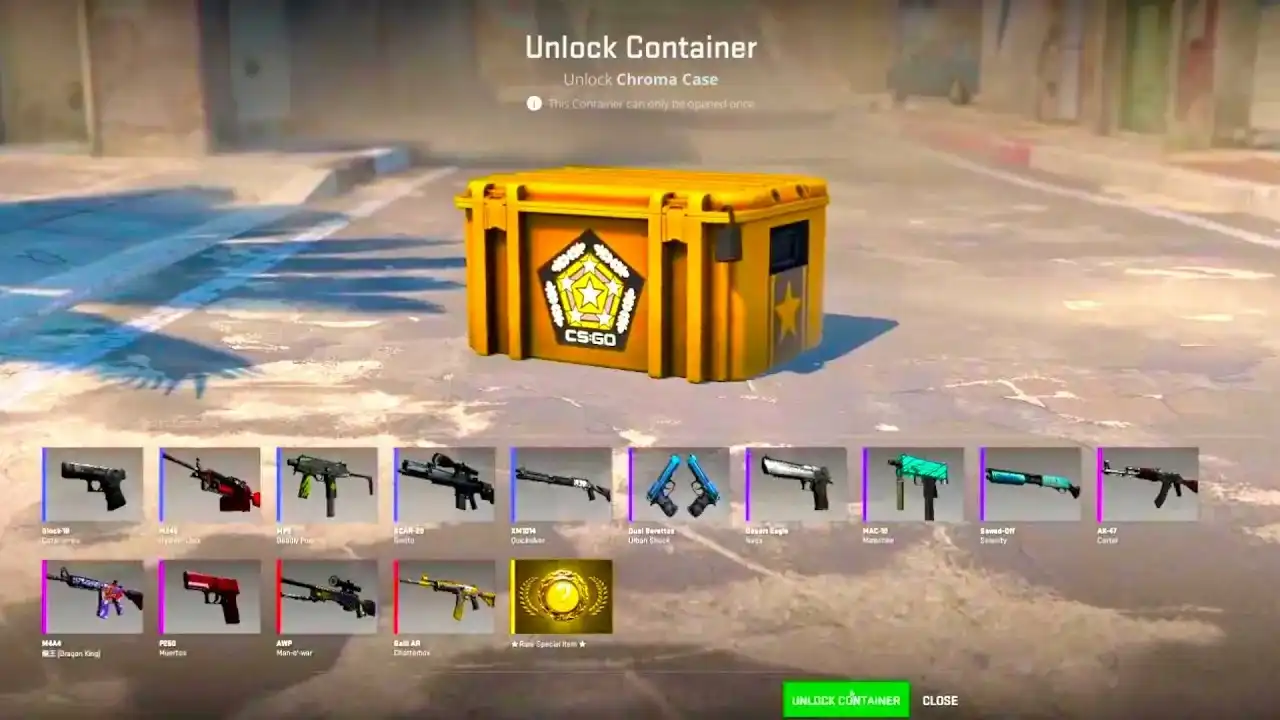
According to a recent report by Morgan Chase, Roblox maintained a steady peak participation while online users maintained 20 million for the fifth consecutive week. However, workday (non-peak) participation declined by an average of 6 per cent, compared to a 10 per cent increase reported in the previous week. By comparison, the growth of online users slowed slightly in March, reaching 44 per cent this month, down from 46 per cent in the previous week and 58 per cent in February. Roblox, Epic Gomes and Microsoft have yet to respond publicly to both recent proceedings. In similar cases, however, game companies usually argue that the player has the autonomy to choose the length of the game and that the platform already provides a parental control tool; the reasons for addiction arise more from personal or family factors than from the design itself. However, recent judicial winds have been increasingly detrimental to the technological giants. In March 2026, the Los Angeles jury ruled that Meta and YouTube had erred in the design of the platform, causing the plaintiffs to become addicted to social media and sentenced them to compensation of $6 million. The decision, which is considered by the legal profession as “a tobacco moment in social media”, may open the door to a game addiction suit. In addition, the Attorney-General of the State of New York had previously indicted Valve on the fact that the boxing mechanisms in his games, such as DoTA 2 and Fortress 2 constituted gambling, especially against minors.
In addition to requiring the game company to pay compensation for its losses, Jordan Duncan also wishes to promote changes in the game design criteria in this case, such as mandatory disclosure of the probability of random rewards, restrictions on the duration of a single game for minors and the prohibition of “daily sign-in” for children. Both cases were referred to the Federal Court for the Northern District of California and were heard by the same judge. Legal observers pointed out that if the court were to hold the game company responsible for the “design defects”, the whole free game (F2P) business model would face a subversive re-establishment. Beyond the wave of litigation, national regulators are also taking action. Indonesia has proposed a programme to ban some social media and play platforms for minors under 16 years of age, and Roblox is referred to as “partial compliance”. The Philippine Cyber Crime Investigation and Coordination Centre extended the deadline for deciding whether to ban Roblox to 10 April 2026, requiring the platform to address safety and addiction risks. Australia had taken the lead in prohibiting the use of social media for minors under 16 years of age, and similar legislation was being considered in some States, including the United Kingdom and the United States. Industry analysts have pointed out that if a game addiction suit is combined with a government ban, the game company may be forced to embed mandatory health warnings in the interface, impose rigid time limits or even abandon random payment mechanisms.