
According to CNET, the creators of the Google-generated AI Film Flow program have produced more than 100 million AI videos, just 90 days after Google launched the Flow at its annual I/O Development Conference. In part, this is due to its advanced AI video model, Veo 3, where Flow allows users to generate video clips and edit them together to create scenes.
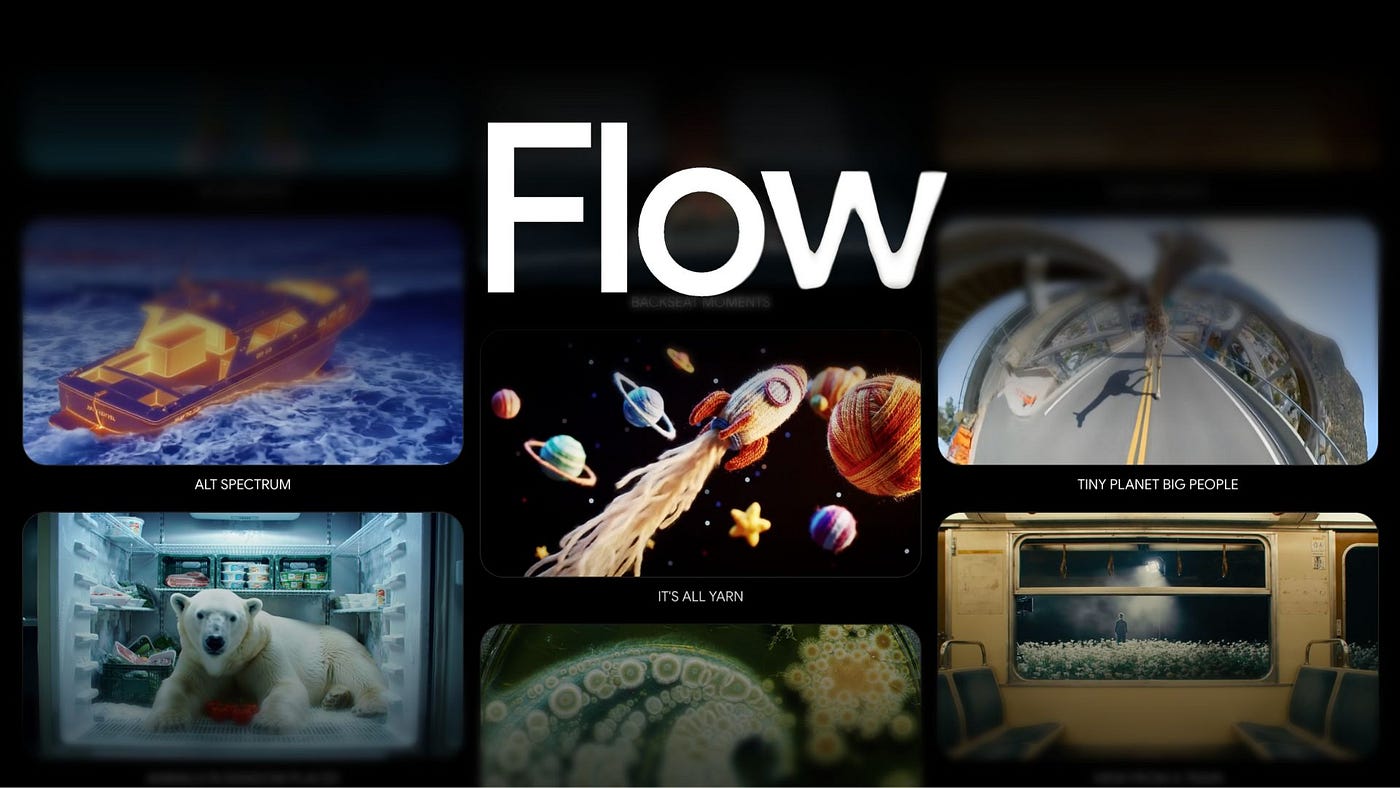
Google, as one of the leading sheep in the AI industry, has invested billions of dollars in the industry in an attempt to win this competition to develop the most advanced AI for ordinary users, developers, and artists and creators. One hundred million AI videos are an important milestone for Google, helping industry to look at the future picture of AI-enabled. According to Elias Roman, the senior director of Flow Product Management at Google Laboratories, the focus of future work will be on “full response to surge demand”.
Flow marks a major shift in Google’s earlier generation of AI. Over the years, Google’s AI focus has been on Gemini, its full-time chat robot. Google integrates AI depth into its products, such as the AI overview of the search engine and the Gemini AI generation summary. Its research assistant tool, NotebookLM, also continues to introduce new features with the AI audio generator that can transform documents into individual podcasts.
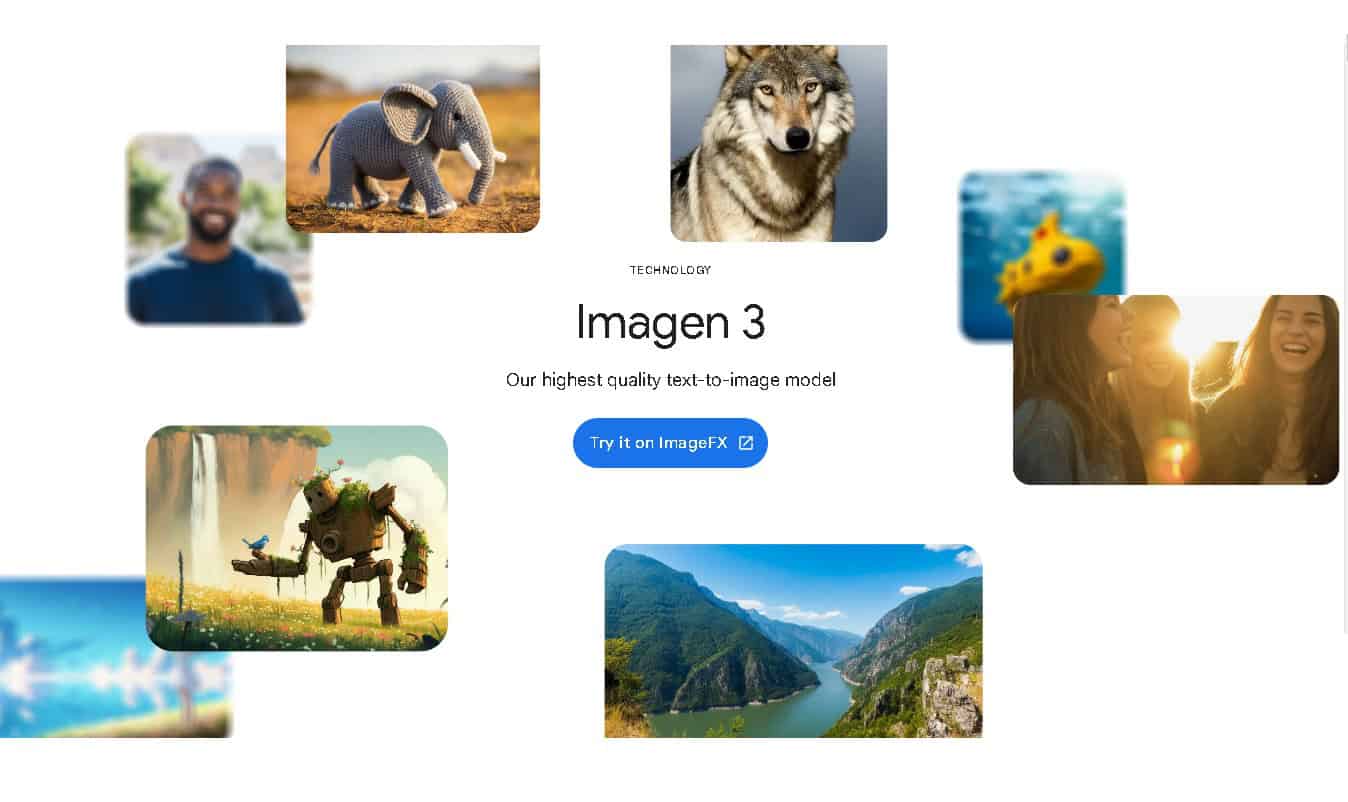
To compete with Midjourney and Stable Diffusion, Google launched a series of AI image models, collectively known as Imagen. Its former generation media model is more suitable for business fans or burner creators rather than professionals, and they are not in a dominant position in the AI creative field. It all changes with Veo 3.
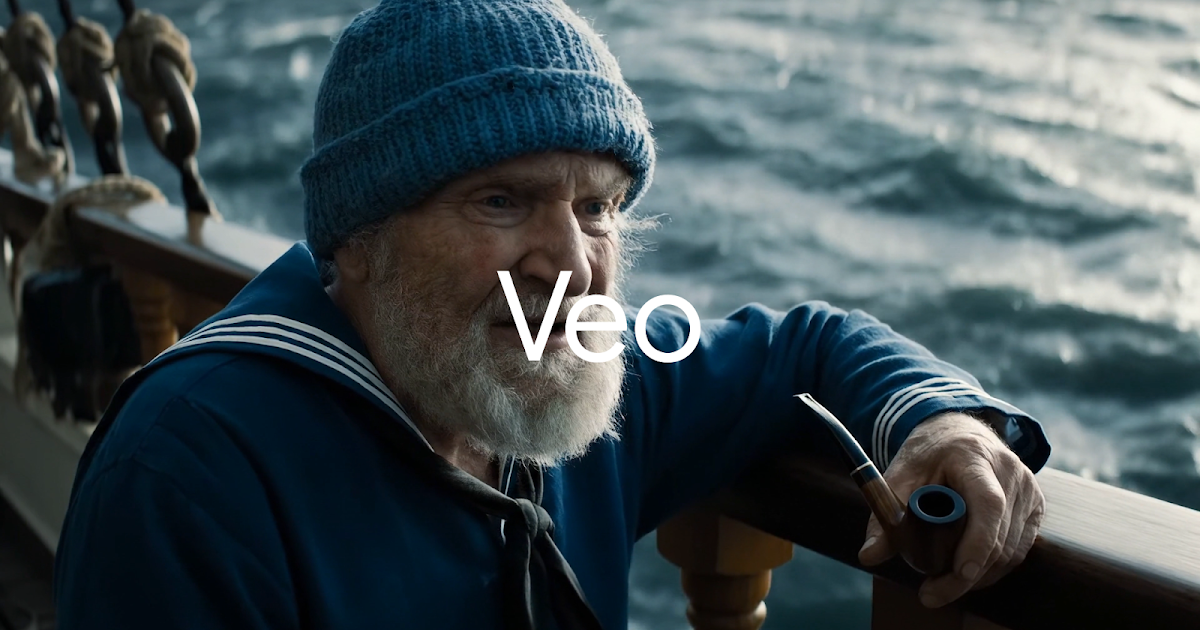
Google released its latest AI video model Veo 3 at the I/O conference in May. Veo 3 achieved a breakthrough with a seemingly visible but industry-initiated advance: an AI video capable of creating a synchronized AI audio. Once published, it generated great interest on the Internet, with Google claiming that more than 40 million AI videos were produced in seven weeks alone.
“Veo 3 makes it easy for a wider group to create a very attractive video, which is used to mobilize all senses. Users do not have to struggle to integrate a set of tools, “Elyas Román says, “can handle all the elements of sound writing, music, dialogue, etc., without having to consider each model in a particular way, and I think it is also a great breakthrough.”
Veo 3 is just one of many AI models provided by this film production tool. Flow was designed for professional creators and filmmakers, exceeding the simple image and video generation capabilities provided by Gemini. Roman stated that Google had deliberately abandoned the original ImageFX and built Flow on its interface to combine the state-of-the-art Imogen and Veo models with Gemini — Gemini was used to train Veo, “basically understanding Veo”.
Flow is a way of integrating all these AI models and components, which harmonizes the different generating AI models of Google for seamless video creation and editing.
Generating artificial intelligence is a controversial topic in the creative industry, especially in the mass creation of texts, images and videos. While AI lovers may praise the creativity and speed of the AI model, creators still express legitimate concerns about the way AI is trained and deployed. It is for this reason that publishers and artists have brought an action against the company AI for alleged copyright violations. This is why staff members are faced with job security concerns as they seek to cut costs by their executives in data-intensive industries.